These are the mold removal services available through Mold Removal Oklahoma City in Oklahoma City, OK. Each page explains the signs, the methods, the safety points and the questions to ask before you hire. Choose the page closest to your problem, then use Call Now to be connected with an independent provider covering 43 ZIP codes in Oklahoma City.
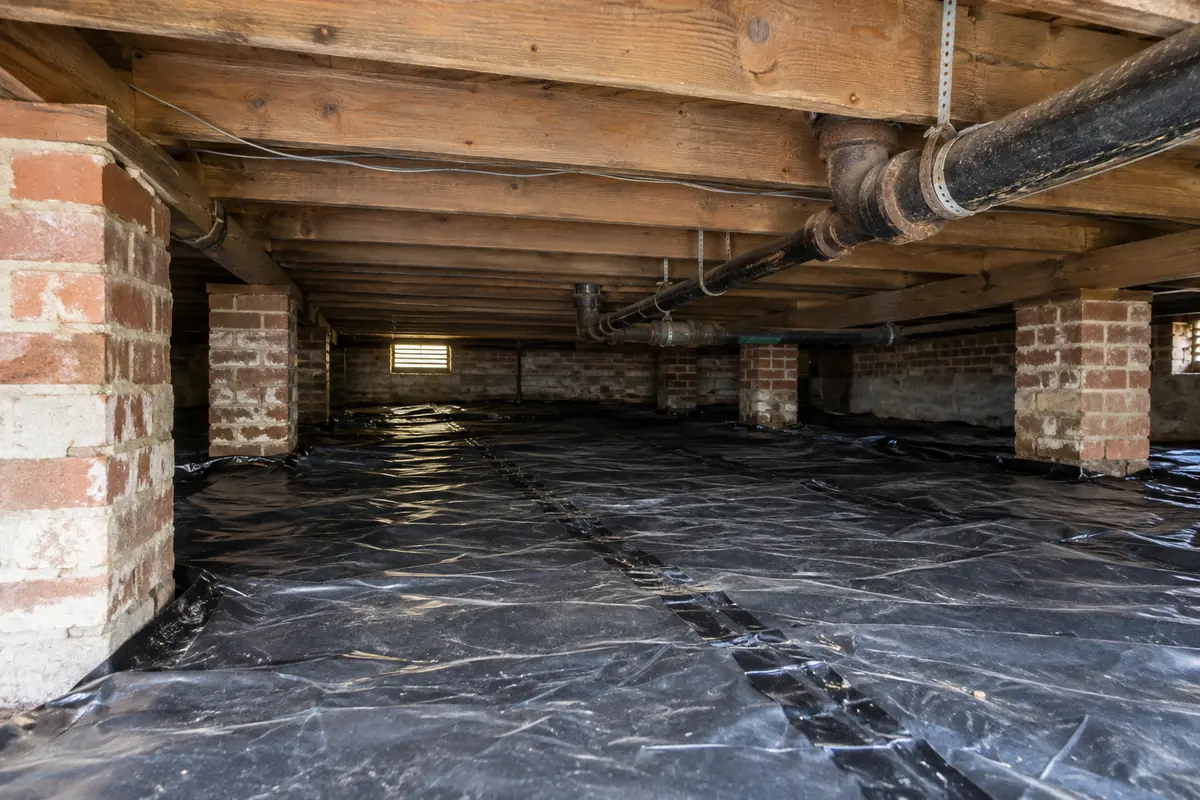
Mold Remediation Process
Mold remediation in Oklahoma City, OK runs in a fixed order of assessing, containing, removing, cleaning, drying and
Read the guide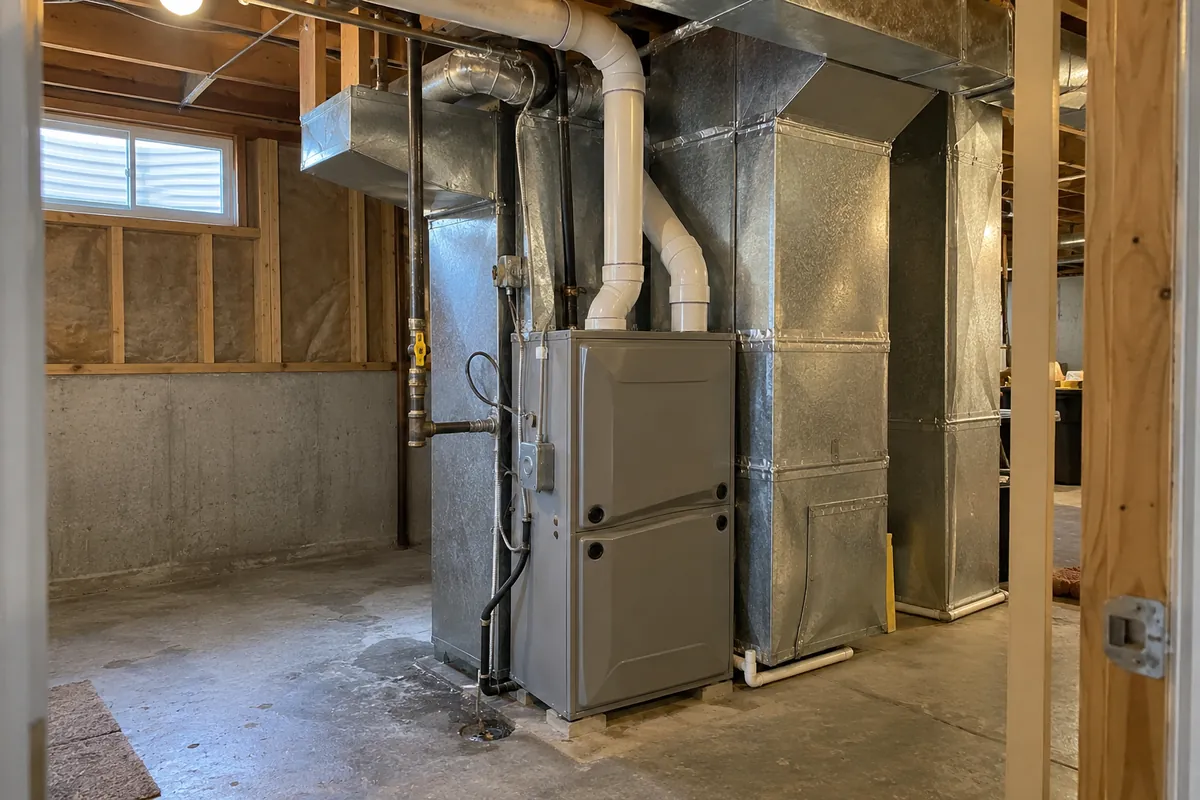
Mold Inspection and Testing
Because mold needs water to grow, mold inspection and testing in Oklahoma City, OK begins by looking for
Read the guide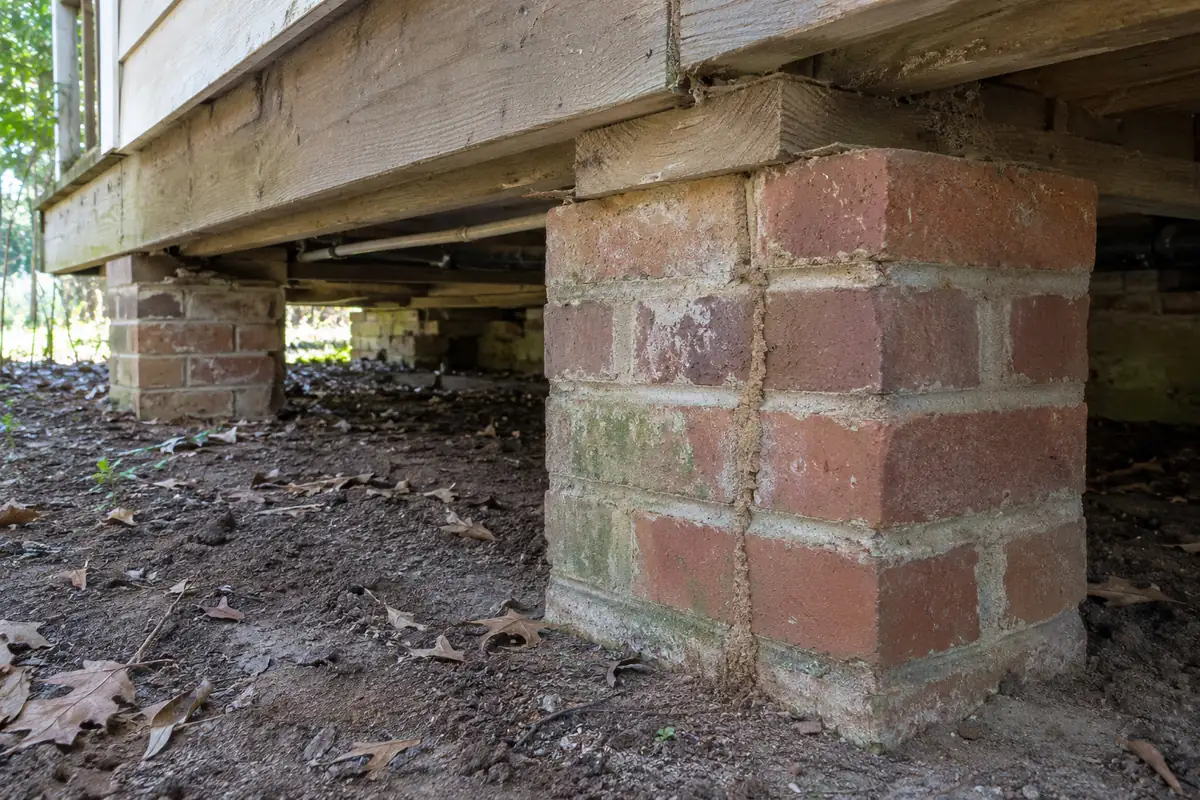
Black Mold Removal
Black mold removal in Oklahoma City, OK begins with the fact that color does not identify
Read the guide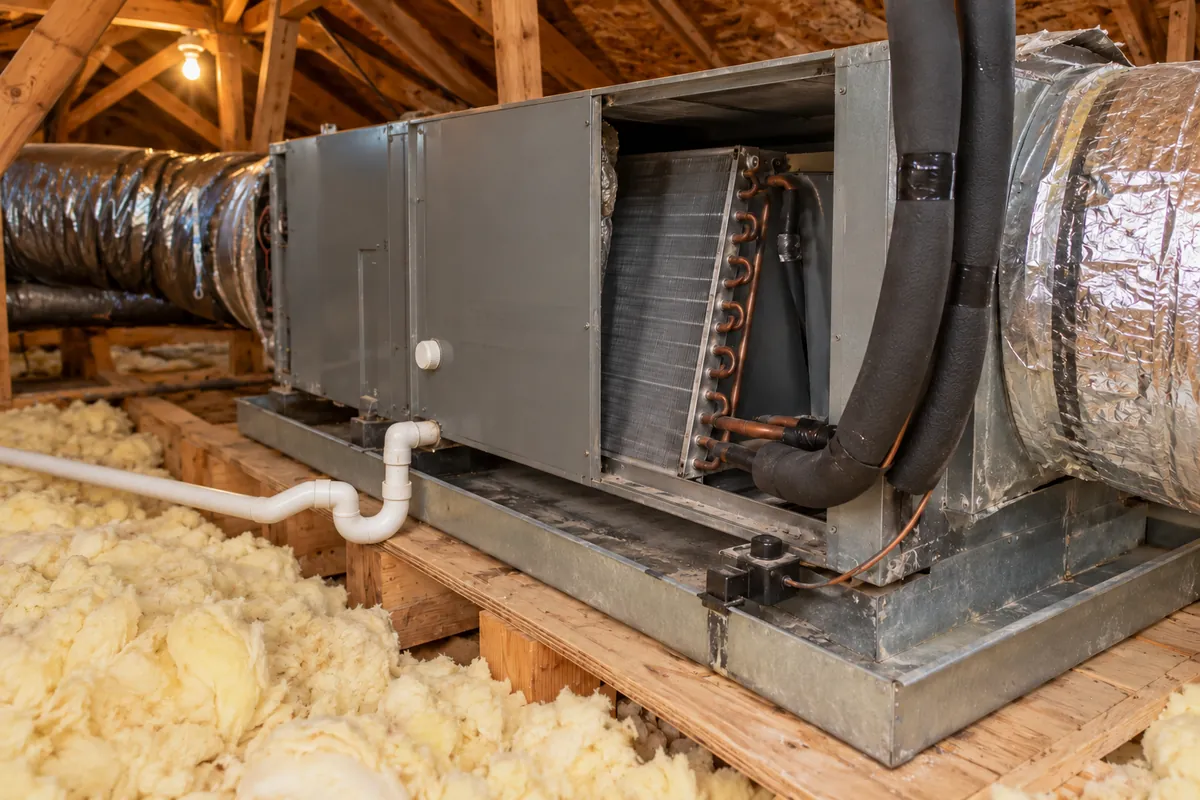
Attic Mold Remediation
Attic mold remediation in Oklahoma City, OK is about roof leaks, ventilation and condensation, not just the growth you see on the
Read the guide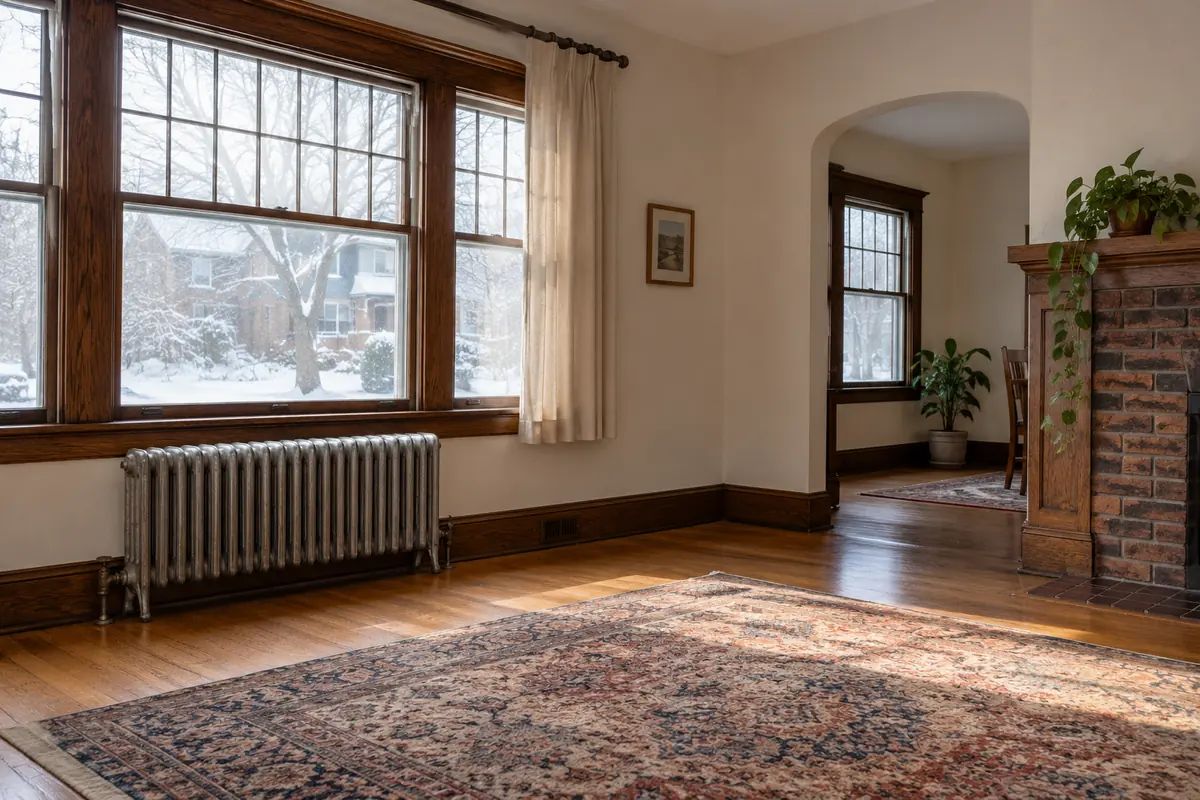
Post-Remediation Verification
Before walls are closed, post-remediation verification in Oklahoma City, OK confirms that the mold job is
Read the guide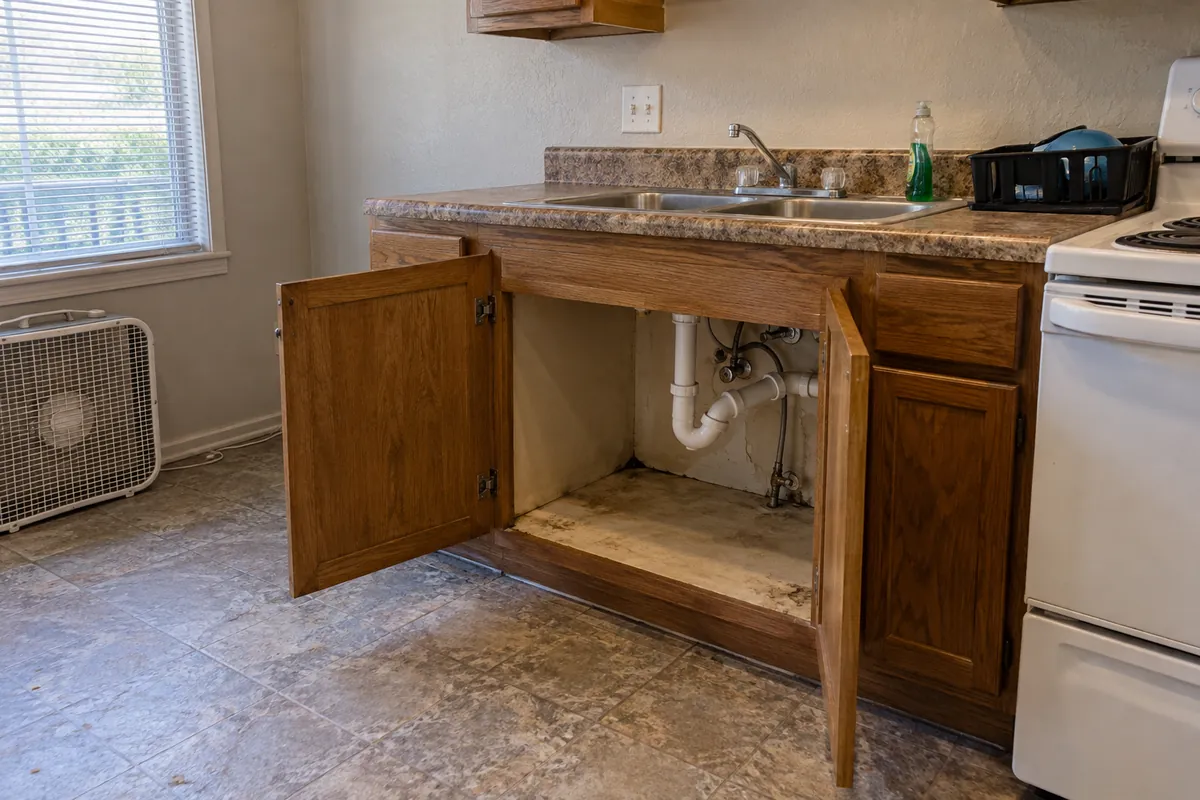
Mold After a Water Leak
Mold after a water leak in Oklahoma City, OK depends on
Read the guide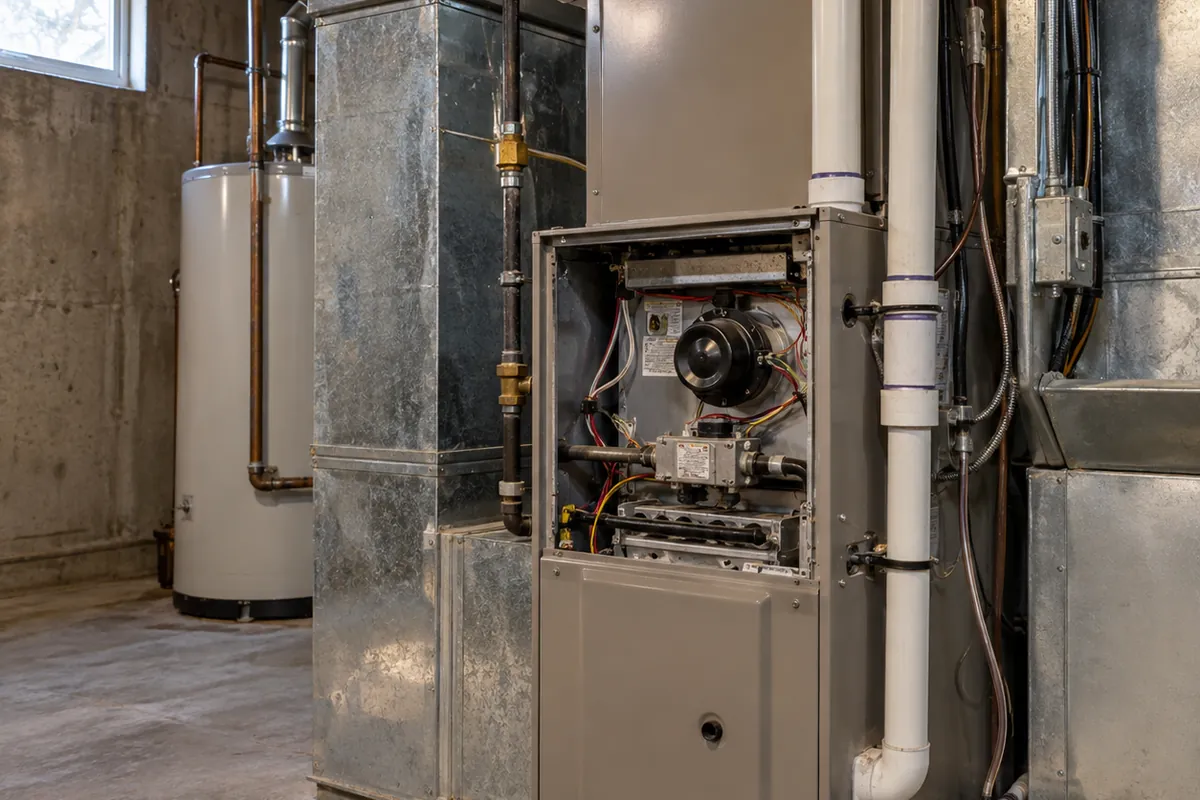
Crawl Space Mold
Soil moisture, plumbing leaks and humid air condensing on cool surfaces explain crawl space mold in Oklahoma City, OK, which comes from both the ground and the
Read the guide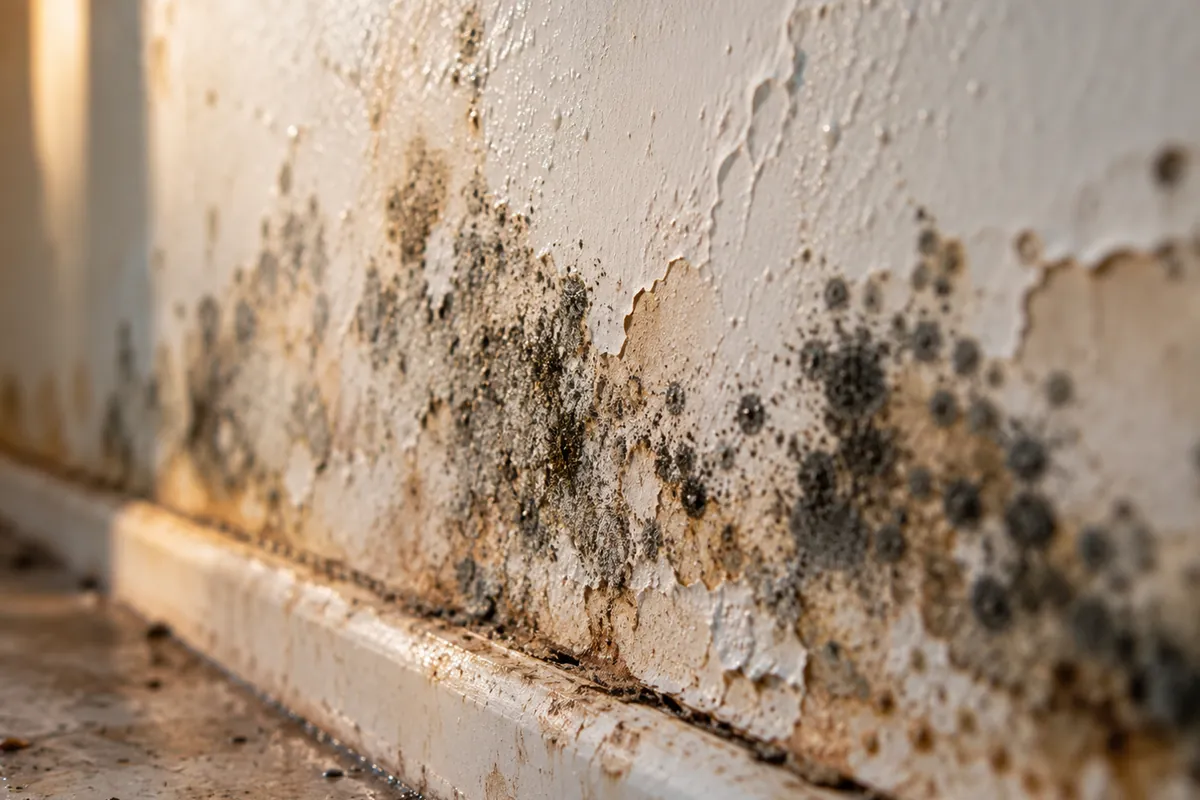
Basement and Bathroom Mold
Groundwater and humidity are the two different water problems behind basement and bathroom mold in Oklahoma City,
Read the guide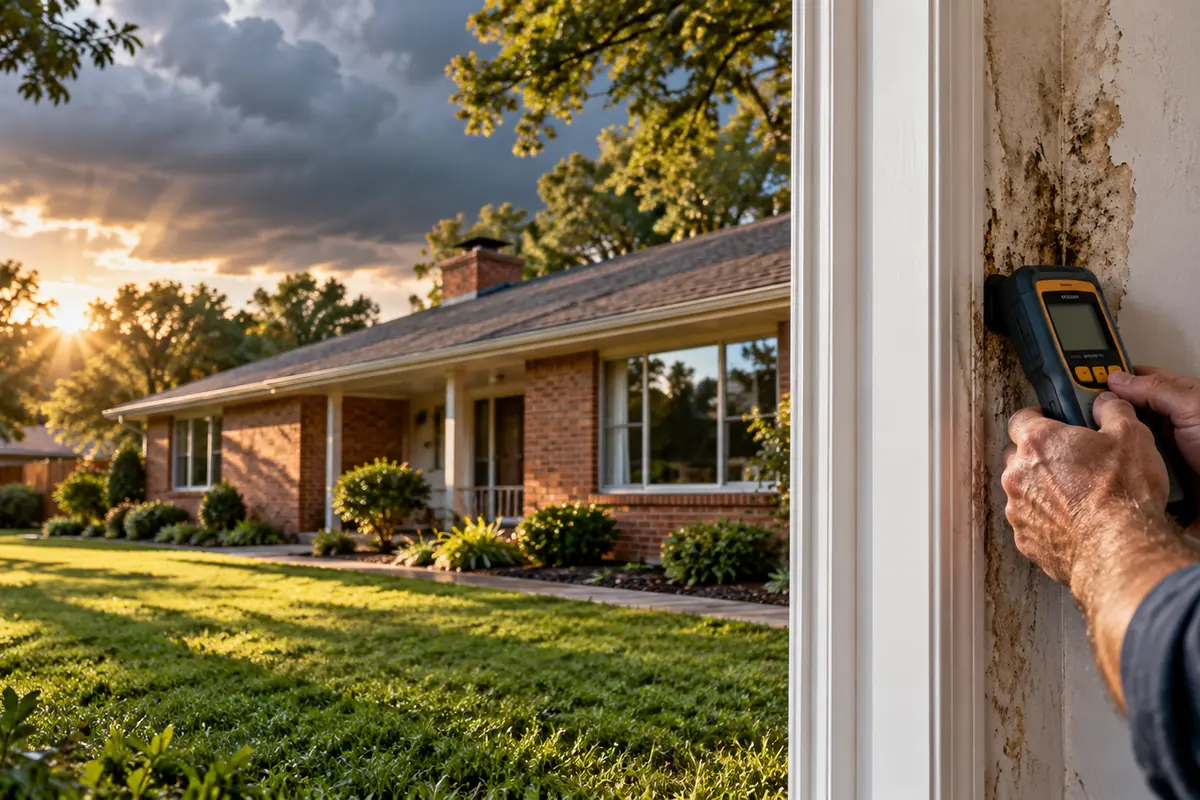
Mold in HVAC Ducts
HVAC duct mold in Oklahoma City, OK is a moisture problem in the air system: condensation on cold ducts, a wet coil or drain pan, or a humid attic or crawl
Read the guide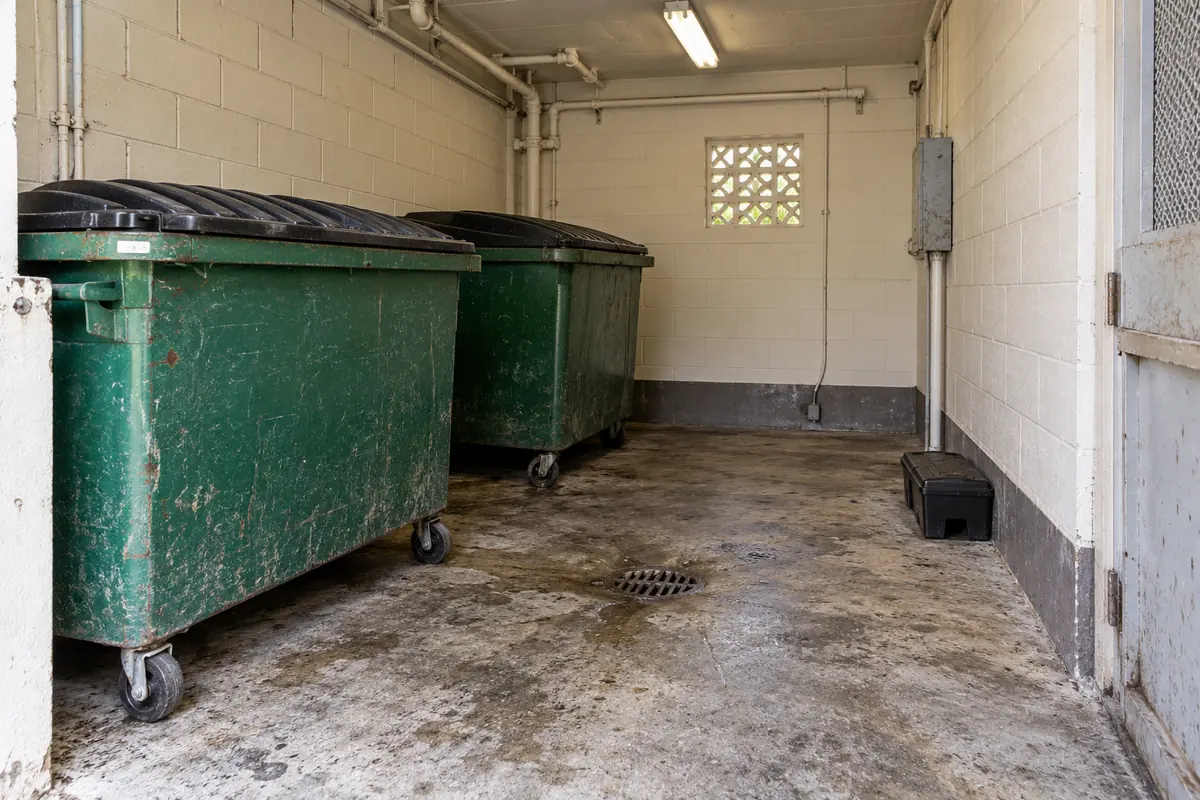
Commercial Mold Remediation
A plan that fits business hours and building systems is what commercial mold remediation in Oklahoma City, OK offers to protect tenants, customers and
Read the guide
Storm Shelter Mold
Storm shelter mold in Oklahoma City, OK is a problem of damp, enclosed
Read the guideWhich mold removal service fits your problem
If you are not sure where to start, match what you see to the service in the table. The provider will confirm the diagnosis at the inspection, so a rough match is enough to begin.
| Service | Start here if you notice |
|---|---|
| Mold Remediation Process | you want to know how remediation works |
| Mold Inspection and Testing | you want mold tested or inspected |
| Black Mold Removal | you found black growth and worry about black mold |
| Attic Mold Remediation | mold is on attic sheathing or insulation |
| Post-Remediation Verification | remediation is done and you want proof it worked |
| Mold After a Water Leak | water from a leak soaked a wall or floor |
| Crawl Space Mold | a crawl space smells musty or is damp |
| Basement and Bathroom Mold | mold is in a basement or bathroom |
| Mold in HVAC Ducts | rooms are hot or cold or ducts are damaged |
| Commercial Mold Remediation | pest sightings in a restaurant, office or warehouse |
| Storm Shelter Mold | a storm shelter is damp or musty |
How mold removal works from assessment to clearance
Remediation follows the same logic whatever the room: find the moisture, protect the rest of the building, remove what cannot be cleaned, clean what can, dry everything and prove it worked. The order matters, because cleaning mold without fixing the water only buys time.
- Assessment: visual inspection, moisture meter readings and, where useful, thermal imaging or a borescope to find hidden damp areas and the water source.
- Plan: a written scope that names the affected areas, the materials to remove, the containment and the drying targets.
- Containment: plastic sheeting, an entry airlock and a negative air machine with a HEPA filter, so spores are not spread through the house.
- Removal: porous materials such as wet drywall, insulation and carpet are bagged and removed; structural wood is cleaned or sanded.
- Cleaning: HEPA vacuuming and damp wiping of surfaces, then drying with dehumidifiers and air movers.
- Verification: a visual check, moisture readings and, where agreed, sampling by an independent assessor before the area is rebuilt.
What shapes the written scope
Two mold jobs can look alike and be very different in scope. The written scope should explain which of these factors applied and what each added or removed.
Have the provider list the assessment, the removal, the drying and the rebuild as separate items, and state who is responsible for locating and repairing the source of the water.
- Whether sampling or independent verification is wanted or required by a lender, insurer or landlord
- Size of the affected area and how many rooms or levels it touches
- Containment needs, access and occupants who are sensitive or at risk
- Materials involved: drywall, insulation, wood framing, carpet, ductwork
- The moisture source and whether it has been repaired
Questions to ask a mold remediation company
- What will you contain, remove and clean, and what stays?
- What is in the written scope, and what is excluded?
- Where is the moisture coming from, and who fixes it?
- Who will verify the result, and is that person independent of the work?
- How will you dry the structure and what readings show it is dry?
Safety, health and what the standards say
Mold growth is a building-moisture problem first. EPA guidance on mold in homes says to fix the moisture problem, clean or remove contaminated material and dry the area. The IICRC S520 standard describes professional remediation practices, including containment and verification. This website describes what these sources recommend and does not make medical claims or promise health outcomes.
People with allergies, asthma, weakened immunity or other health concerns should talk to their doctor and keep out of the work area. Workers use respirators, gloves and eye protection, and the area is isolated from the rest of the home.
Prepare your Oklahoma City home for assessment
- Gather insurance documents, repair invoices and any earlier inspection reports
- Take photos of visible growth, stains and the area around it, without disturbing it
- Keep the affected room closed and turn off HVAC in it if you can do so safely
- Write down when you first noticed the stain or smell, and any recent leaks, floods or roof damage
- Stop using fans that blow across the affected area, which can spread spores
What makes mold removal different in Oklahoma City
Spring severe-weather season (hail, wind, and tornadoes) damages roofs and windows and can let water into attics and walls. Humid summers from Gulf moisture add indoor humidity.
Many homes sit on slabs; some have crawl spaces and storm shelters that stay damp. Expansive clay soil can open foundation cracks that leak. Ask the provider how these local conditions affect where the moisture comes from and how the work should be planned at your address.
Mold removal across Oklahoma City and nearby cities
43 ZIP codes in Oklahoma City, Oklahoma fall within the area of Mold Removal Oklahoma City: 73102, 73103, 73104, 73105, 73106, 73107, 73108, 73109, 73110, 73111. Requests may also go to providers who serve Bethany, Edmond, Mustang, Yukon and Norman. Coverage depends on the address, so state your ZIP code on the call.
Use Call Now at the top of the page, describe what you found and where the water came from, and you will be connected with an independent remediation company that confirms your address, assesses the property and puts the scope in writing.
Common questions about mold removal in Oklahoma City
What is the difference between the services listed here?
Each service page covers one kind of problem or one kind of work. Some are about a specific pest, part or material, and others are about a method, such as exclusion or inspection. Pick the closest match and the provider will confirm it at the inspection.
Do I need to know which service I need before I call?
No. Describe what you see and where, and the provider will identify the problem and recommend the work.
Can I request more than one service?
Yes. Many properties need an inspection plus a follow-up service, for example trapping plus sealing. Ask the provider to list each part of the work and what it includes.
Who decides what work is needed?
The provider you speak with decides after inspecting the property, and you decide whether to accept the proposal.
How do I know a service is available at my address?
Coverage is confirmed address by address. Use Call Now and give your ZIP code, or check the service area page.